
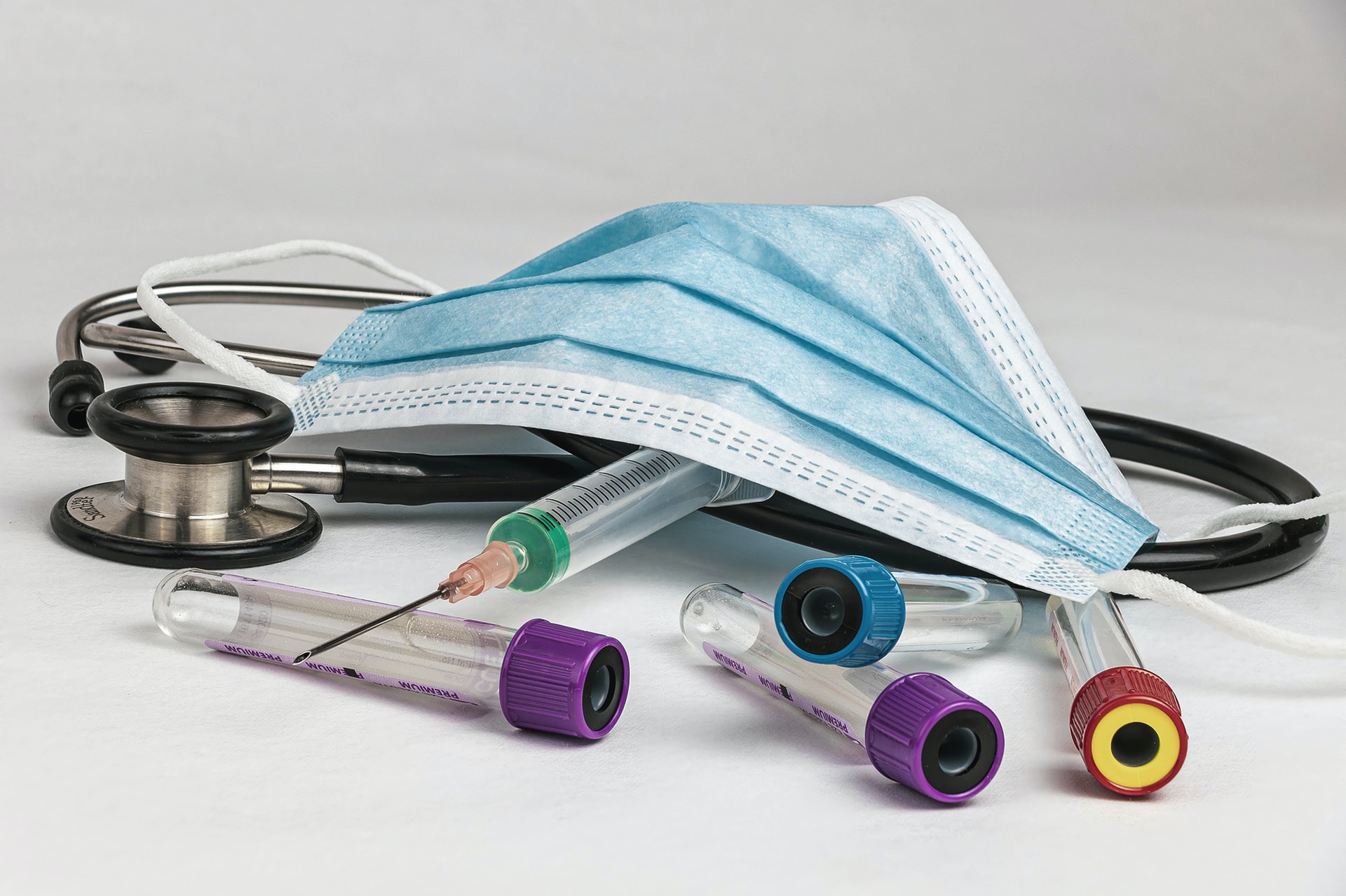
Medical Equipment Supplies in Uganda
Labtech Medical Supplies Uganda supports hospitals, clinics, laboratories, healthcare facilities, procurement teams and other buyers seeking medical equipment in Kampala and across Uganda. From routine clinical devices and medical furniture to diagnostic, laboratory and technical testing equipment, this page helps buyers identify the required category and submit a product-specific enquiry for specification, quantity, availability, price and delivery terms.
From Basic Clinical Devices to Larger Diagnostic and Technical Systems
Medical equipment covers a wide spectrum of products used throughout the healthcare environment. At one end are simple devices such as thermometers and examination tools used in routine patient assessment. At the other end are larger diagnostic, monitoring, laboratory and treatment systems that may involve specialised installation, technical specifications, accessories or user requirements.
The supplied Labtech source notes that medical equipment may be used across the patient journey, from reception and examination areas through laboratories, treatment rooms and theatre environments. It also groups equipment by function, including laboratory equipment, diagnostic equipment, oral surgery supplies, surgical supplies and medical furniture. In addition, the source lists specialised equipment used to test or analyse the performance of other medical devices.
This redesigned page keeps those categories but presents them in a more structured procurement format. Rather than assuming a particular manufacturer, model, stock status or technical specification, buyers are encouraged to identify the intended application and request confirmation of the exact product being quoted.
Medical Equipment Is Used Across the Entire Healthcare Facility
Different departments need different equipment, and procurement should reflect that reality. Reception and triage areas may rely on basic assessment devices. Consultation rooms may require examination equipment and diagnostic tools. Laboratories depend on analytical and sample-processing equipment. Wards may require patient-monitoring devices and medical furniture, while theatre and procedure areas can require specialised surgical and support equipment.
The correct product is therefore determined by more than its broad category. A patient monitor may differ by parameters, display, accessories and intended environment. A centrifuge may vary by capacity and rotor configuration. An examination couch may differ by dimensions, adjustment system and upholstery. A testing or calibration device may need to match a particular class of medical equipment.
For this reason, the page is designed around accurate enquiries. Buyers can use WhatsApp for a short product request or email when a formal quotation or detailed specification is required.
Medical Equipment and Healthcare Supply Categories
The categories below reflect the scope described in the supplied source and the wider type of procurement context in which Labtech operates. Exact availability, model, manufacturer, configuration, price and delivery terms should be confirmed for the specific item.
Clinical & Diagnostic Devices
Diagnostic equipment supports examination, screening, monitoring and clinical assessment. The exact requirement may depend on the parameters being measured, clinical setting, portability, accessories and intended users. Buyers should state the device type and intended application in the enquiry.
Laboratory & Analytical Equipment
Laboratory equipment may include microscopes, centrifuges, analyzers, micropipettes and other systems used in sample preparation, measurement and analysis. State the intended laboratory application, required capacity, model or accessories where known.
Patient Care & Clinical Furniture
Medical furniture can include examination couches, hospital beds, bedside cabinets, trolleys and related clinical furniture. Procurement should consider dimensions, adjustment, mobility, material, load requirements and the intended patient-care environment.
Surgical Equipment & Instruments
Surgical and procedure-related supplies may range from instruments and sets to support equipment used in procedure areas. Buyers should identify the exact instrument, set composition, size, material or procedure requirement instead of relying on a generic surgical category.
Dental & Oral Surgery Equipment
The supplied source includes oral surgery among its equipment categories. This may involve dental or surgical instruments, operatory equipment and procedure-related supplies. State the specific item and intended clinical use when requesting a quotation.
Medical Device Testing & Analysis Equipment
The source lists electrical safety analyzers, patient monitor testers, incubator and radiant warmer analyzers, defibrillator and AED analyzers, infusion-device analyzers, electrosurgical-unit testers, ventilator or gas-flow analyzers and pressure or flowmeters. Exact models and measurement capability should be specified.
Equipment for Testing, Simulation and Performance Verification
The source material highlights an important specialist category: equipment used to test, simulate or analyse other medical devices. This includes electrical safety analyzers, patient-monitor simulators, incubator and radiant-warmer analyzers, defibrillator, AED and pacemaker analyzers, infusion-device analyzers, electrosurgical-unit testers, ventilator or gas-flow analyzers, and pressure or flowmeters.
These products are technical and should be procured by specification. A request should identify the type of medical device being tested, the measurements or simulation functions required, connectivity or accessory needs where relevant, and any internal engineering or biomedical-maintenance requirements. A generic request for an “analyzer” is unlikely to be precise enough.
Where the organisation has an approved technical specification, include it in the enquiry. The redesigned page does not invent measurement ranges, standards, calibration intervals or manufacturer claims. Those details should be confirmed from the product documentation for the exact unit being quoted.
Six Details That Improve an Equipment Quotation
Identify the Equipment
State the exact device or equipment category. If the model is known, include the manufacturer and model reference in the enquiry.
Explain the Intended Use
Describe the clinical, laboratory, diagnostic or technical application so the requirement is interpreted in the correct context.
State Technical Requirements
Include capacity, parameters, voltage, dimensions, measurement range, accessories or other known requirements that affect product selection.
Give the Quantity
State how many units are required. For multiple departments or facilities, break the quantity down where this helps the quotation.
Add Facility Details
Institutional buyers should include the organisation, department and delivery destination where applicable.
Request Confirmation
Ask for the exact specification, current availability, price and applicable delivery, installation or after-sales terms before purchase.
Choose Equipment According to the Clinical Requirement
Medical equipment should be selected according to the clinical problem it is intended to address. A thermometer is appropriate for temperature measurement, while larger diagnostic systems can be used for more complex imaging, monitoring or treatment functions. The source mentions equipment ranging from thermometers to ultrasound scanning and MRI systems as examples of the breadth of the category.
That breadth should not be interpreted as a guarantee that every type or model is currently stocked. Instead, buyers should use the page to identify the relevant category and ask Labtech to confirm whether the required product can be supplied. This approach is more accurate for large capital equipment, where procurement may depend on model, configuration, installation requirements and lead time.
For patient-monitoring or diagnostic devices, buyers should identify the parameters required, intended clinical environment, portability needs, accessories and any compatibility requirements with existing systems. These details help distinguish between products that may appear similar at a high level but serve different operational needs.
Plan Medical Equipment Around the Department That Will Use It
Reception & Triage
Front-line assessment areas may require basic diagnostic and vital-sign equipment. Buyers should identify the measurements required, anticipated patient volume and whether portability matters.
Consultation & Examination
Consultation rooms can require examination couches, diagnostic devices, otoscopes, blood-pressure equipment and other clinical tools. Room size and workflow can affect furniture and equipment selection.
Laboratory
Laboratory procurement may involve microscopes, analyzers, centrifuges, pipetting equipment and associated accessories. Capacity, sample type and intended test workflow should be clearly stated.
Wards & Patient Care
Ward requirements may include hospital beds, bedside furniture, monitoring equipment, oxygen-related accessories and other patient-care products. Quantity and room configuration should be included in the enquiry.
Theatre & Procedure Areas
Theatre and procedure environments may require surgical instruments, electrosurgical equipment, monitoring, lighting or other specialised products. State the procedure context and exact specification.
Biomedical & Technical Services
Biomedical engineering teams may require analyzers, simulators and testing equipment used to evaluate device performance and electrical safety. Measurement capability and supported device category should be specified.
Confirm Technical, Installation and Commercial Requirements Before Purchase
Larger medical equipment can involve more than the purchase price. Buyers may need to consider electrical supply, room dimensions, environmental requirements, installation, accessories, consumables, user training, maintenance and after-sales support. The exact combination varies by product, so these factors should be confirmed for the particular item being considered.
For imported or specialised equipment, procurement teams may also need to understand expected delivery arrangements and what documentation accompanies the product. This page does not publish blanket lead times, warranties or installation promises because such terms depend on the equipment and commercial arrangement.
A strong quotation request should therefore include the technical requirement and ask Labtech to state the exact model, included accessories, commercial terms and any applicable support information. This gives the buyer a more reliable basis for internal evaluation and approval.
Dental Consumables and Operatory-Related Products
The source page also includes a dental supplies section. It lists examples such as sterilization pouches, matrix bands, nitrile examination gloves, disinfectant and cleaning products, antimicrobial hand soaps, hand sanitizers, face masks, dental bibs, tray covers, saliva ejectors and surgical loupes. The original text repeats this paragraph; the redesigned version removes that duplication while retaining the substantive product examples.
Because several of the original examples are brand-specific, this page does not assume that a named brand is currently available. Instead, buyers should state the product category, approved brand where required, acceptable equivalent specification, pack quantity and total quantity. This is particularly important for infection-prevention products and consumables where material, formulation or compatibility may matter.
For a broader dental equipment requirement such as chairs, stools, operatory lights, suction or delivery units, use the dedicated dental-supplies page or submit a detailed dental equipment enquiry through the CTAs below.
Medical Equipment Supplies Uganda FAQ
What types of medical equipment are covered on this page?
The source covers laboratory equipment, diagnostic equipment, oral surgery, surgical supplies, medical furniture and specialist testing or analyzer equipment used with medical devices.
Can I order medical equipment on WhatsApp?
Yes. Use the green Order on WhatsApp buttons. A compact form opens first and prepares your product topic, quantity and contact details for Labtech at +256 790 808268.
How do I request a formal quotation?
Use an Email Enquiry CTA and provide the product, quantity, organisation and technical requirements. The message is prepared for info@lms.co.ug.
Does this page guarantee availability of large equipment?
No. The page intentionally avoids blanket stock claims. Large or specialised medical equipment should be confirmed for availability, model, price, lead time and applicable delivery terms.
What are medical equipment analyzers used for?
The source lists analyzers and simulators for categories such as electrical safety, patient monitors, incubators, defibrillators, infusion devices, electrosurgical units, ventilators and pressure or flow measurement. Exact functionality depends on the specific product.
What should I include when requesting laboratory equipment?
State the equipment type, intended application, capacity, model if known, required accessories, quantity and any facility-specific technical requirement.
Does Labtech supply dental products?
The source includes a dental supplies section with consumables and accessories. A dedicated dental page can be used for broader operatory equipment and specialist dental procurement.
Can institutional buyers request several equipment categories together?
Yes. For a long equipment schedule, start with an email explaining the requirement and request the appropriate channel to share the detailed list or technical specification.
Request Medical Equipment Supplies in Uganda
Tell Labtech what medical equipment you need, the quantity and any known technical specification. Request confirmation of the exact product, current availability, price and applicable delivery terms.